
I vividly remember when I first witnessed a robot arm at work. It was at a factory in Colombo, controlling the assembly line with absolute precision. Statistics show that industries using automation have seen a 15% increase in productivity on average. This raises an interesting question—how can flexible robot arms redefine our approach to automation? In the ever-evolving world of manufacturing, the lightweight robot arm stands out as a beacon of innovation. Ideal for various tasks, it combines agility with endurance, making it a game-changer.
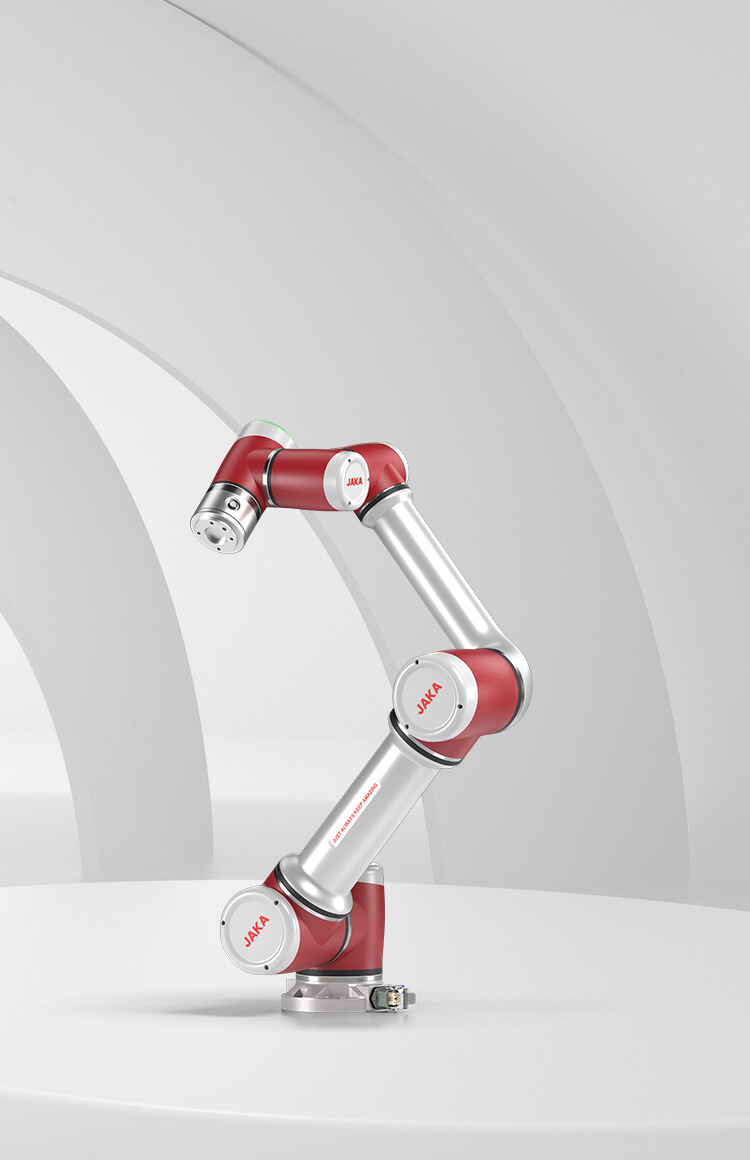
Why Choose Flexible Robot Arms?
Flexible robot arms are designed to adapt to different tasks, unlike traditional robotic systems that often struggle with variability. I’ve encountered numerous examples where conventional solutions fell short, leading to inefficiencies and increased costs. The lightweight robot arm, though, allows businesses to pivot quickly, responding to shifts in consumer demand or production challenges. Imagine having a robot that can handle both intricate tasks and heavy lifting without breaking a sweat (or a part)! That’s the magic of flexibility in robotics.
Real-world Applications and Their Challenges
When I talk to manufacturers, I hear a common frustration: many worry about the reliability of these flexible systems. In fact, just last year, I was consulting with a textile company in Kandy that was hesitant to integrate robotic solutions due to past experiences with flaky hardware. However, after discussing the robust specifications of the lightweight robot arm, they decided to give it a shot. One installation later, productivity surged while maintaining top-notch quality. This isn’t just luck—it’s about choosing the right technology.
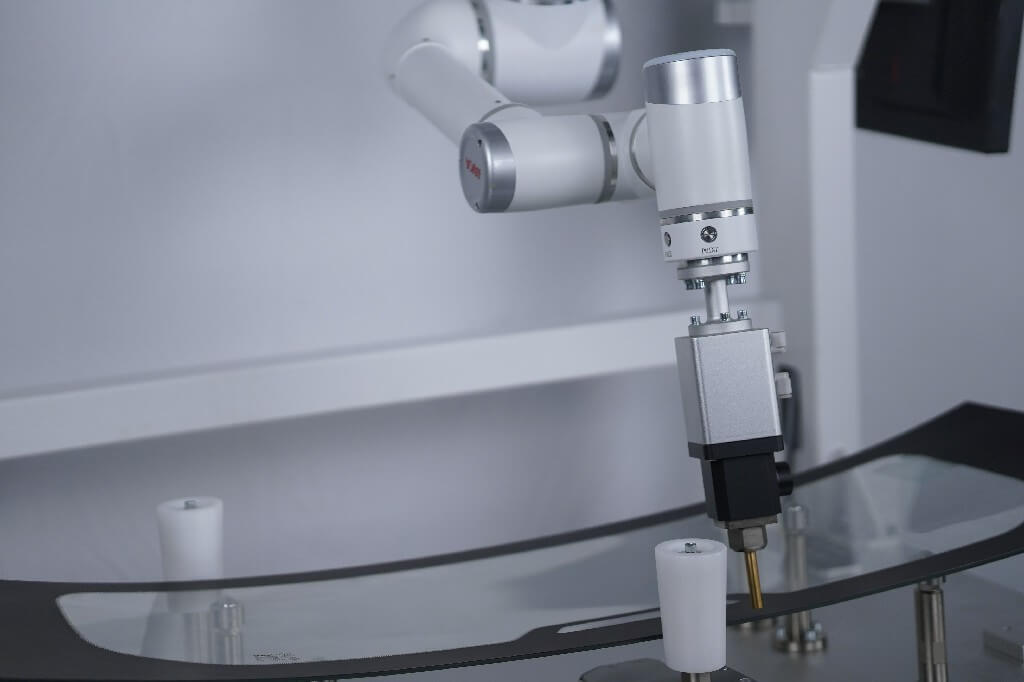
What Lies Ahead: Innovations in Robotics
Looking ahead, the potential for flexible robotic arms is immense. Companies are increasingly exploring features like AI integration, allowing robots not only to execute tasks but learn from their experiences. This forward-thinking approach could unlock entirely new levels of efficiency in production lines. Consider this: with the rise of e-commerce, flexibility isn’t just desired; it’s essential. A flexible robot arm can swiftly shift tasks as order demands fluctuate, ensuring companies remain competitive.
Key Takeaways for Industry Leaders
While those of us in the industry understand the ups and downs of robotics, it’s crucial to keep evaluation metrics at the forefront when selecting these advanced systems. First, consider adaptability—does the robot arm accommodate diverse tasks? Next, assess reliability—can it perform under pressure without constant downtime? Lastly, look at support and service, because trust me, having reliable support can make or break your operation. These are not just theoretical points; I’ve seen firsthand how they can change the tides for manufacturing units.
In summary, flexible robot arms, particularly the lightweight robot arm, offer potential solutions that traditional counterparts simply can’t compete with. With the right approach, I believe we can navigate the complex landscape of automation and drive our businesses forward effectively. Embracing innovations like those from JAKA positions us not just to survive but thrive in an increasingly competitive world. So, let’s keep this conversation going! What will your next robotic solution look like?